

Pamukkale, meaning "cotton castle" in Turkish, is a natural site in Denizli Province in southwestern Türkiye. The area is famous for a carbonate mineral left by the flowing of thermal spring water. It is located in Anatolias Inner Aegean region, in the River Menderes valley, which has a temperate climate for most of the year.
The Turkish name refers to the surface of the shimmering, snow-white limestone, shaped over millennia by calcite-rich springs. Dripping slowly down the mountainside, mineral-rich waters collect in and cascade down the mineral terraces, into pools below. It was added as a UNESCO World Heritage Site in 1988 along with Hierapolis.
History of Pamukkale
Pamukkale, known for its stunning white travertine terraces, is located in southwestern Türkiye and has a rich history that spans thousands of years.
Ancient Culture
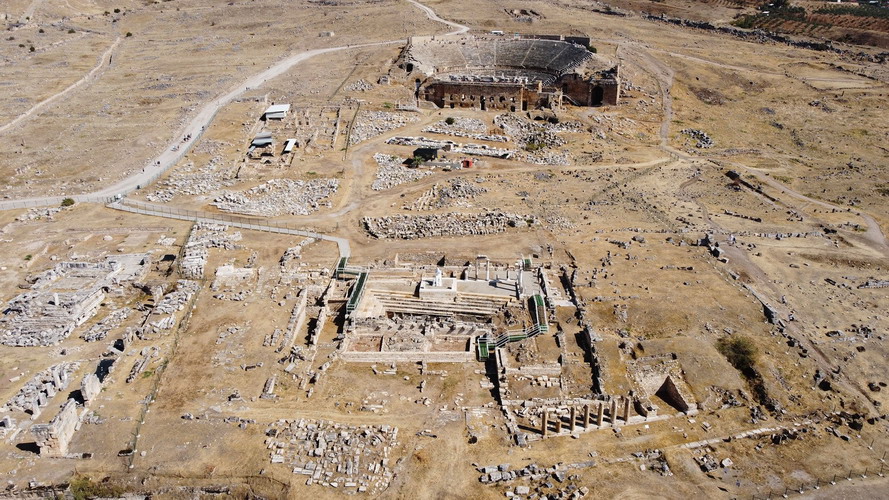
- Hierapolis: The area around Pamukkale was home to the ancient city of Hierapolis, founded in the 2nd century B.C. by the Attalid Kingdom of Pergamon. It quickly became a significant center for spa and healing, largely due to its hot springs.
- Healing Waters: The mineral-rich waters were believed to have therapeutic properties, attracting visitors from across the region for treatments. The site was known for its baths, temples, and a theater that still stands today.
Cultural Significance
- Roman Era: Hierapolis flourished under Roman rule, especially after it became a Roman province. Many structures were built, including a large necropolis, reflecting its importance as a cultural center.
- Christian Period: During the early Christian period, Hierapolis became an important religious site. It is believed that the apostle Philip was martyred here, leading to the establishment of a Christian community.
Decline and Rediscovery
- Byzantine and Ottoman periods: After the decline of the Roman Empire, Pamukkale experienced periods of neglect and decay, particularly during the Byzantine era and later under Ottoman rule.
- Rediscovery: It wasn’t until the 19th century that Pamukkale began to regain its fame as a tourist destination. The terraces were recognized for their unique beauty, captivating travelers.
Modern Day
- UNESCO World Heritage Site: In 1988, Pamukkale and Hierapolis were designated as a UNESCO World Heritage Site, emphasizing their cultural and natural significance. Today, they attract millions of visitors who come to admire the unique travertine formations and the ruins of Hierapolis.
Pamukkale serves as a striking reminder of the interplay between nature and human history, blending stunning landscape with a rich cultural narrative.