


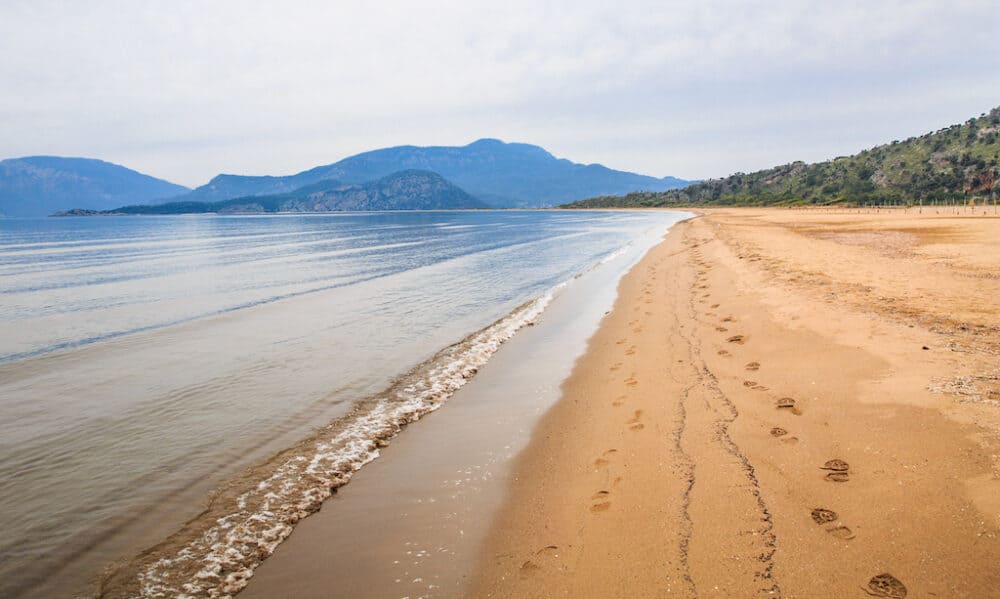
A beach is a natural landform found along the shoreline of an ocean, sea, lake, or river, characterized by loose particles such as sand, gravel, pebbles, or cobblestones. Beaches are dynamic environments that experience constant change due to factors like wave action, tides, and weather.
Types of Beaches
Sandy Beaches
- Composed of fine particles, providing a soft surface ideal for relaxation and sunbathing.
Rocky Beaches
- Made up of larger rocks and pebbles, often less suitable for sunbathing but rich in marine life.
Pebble Beaches
- Characterized by smooth, round stones; these are typically found in areas with strong wave action.
Importance of Beaches
- Ecosystems: Serve as habitats for numerous marine species, including flora and fauna.
- Recreation: Popular destinations for swimming, sunbathing, surfing, and other leisure activities.
- Economy: Contribute to local economies through tourism and recreational industries.
Challenges
Beaches face several challenges such as erosion, pollution, and the effects of climate change. Protecting these natural resources is vital for sustainability and biodiversity.